About SplitPicture
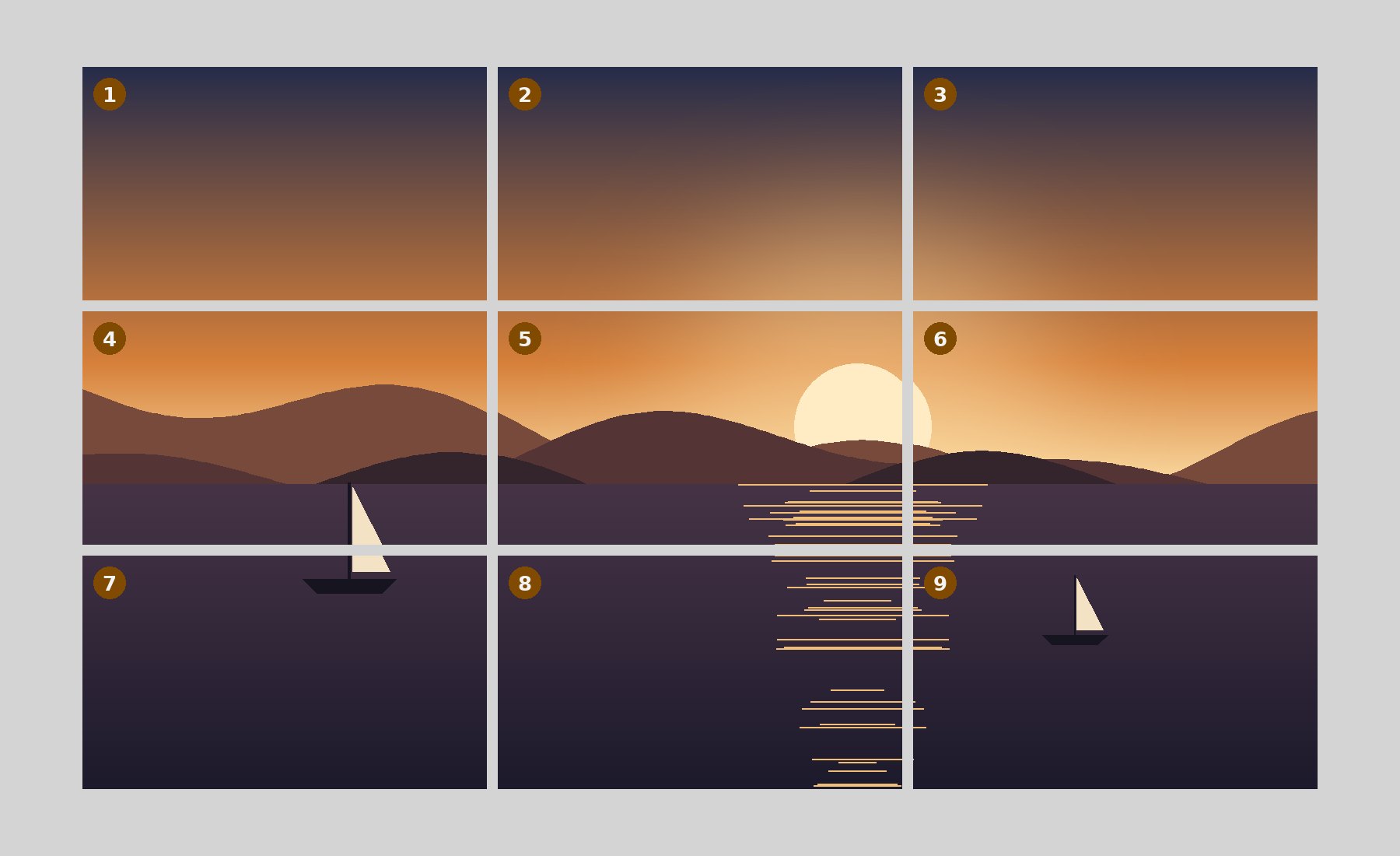
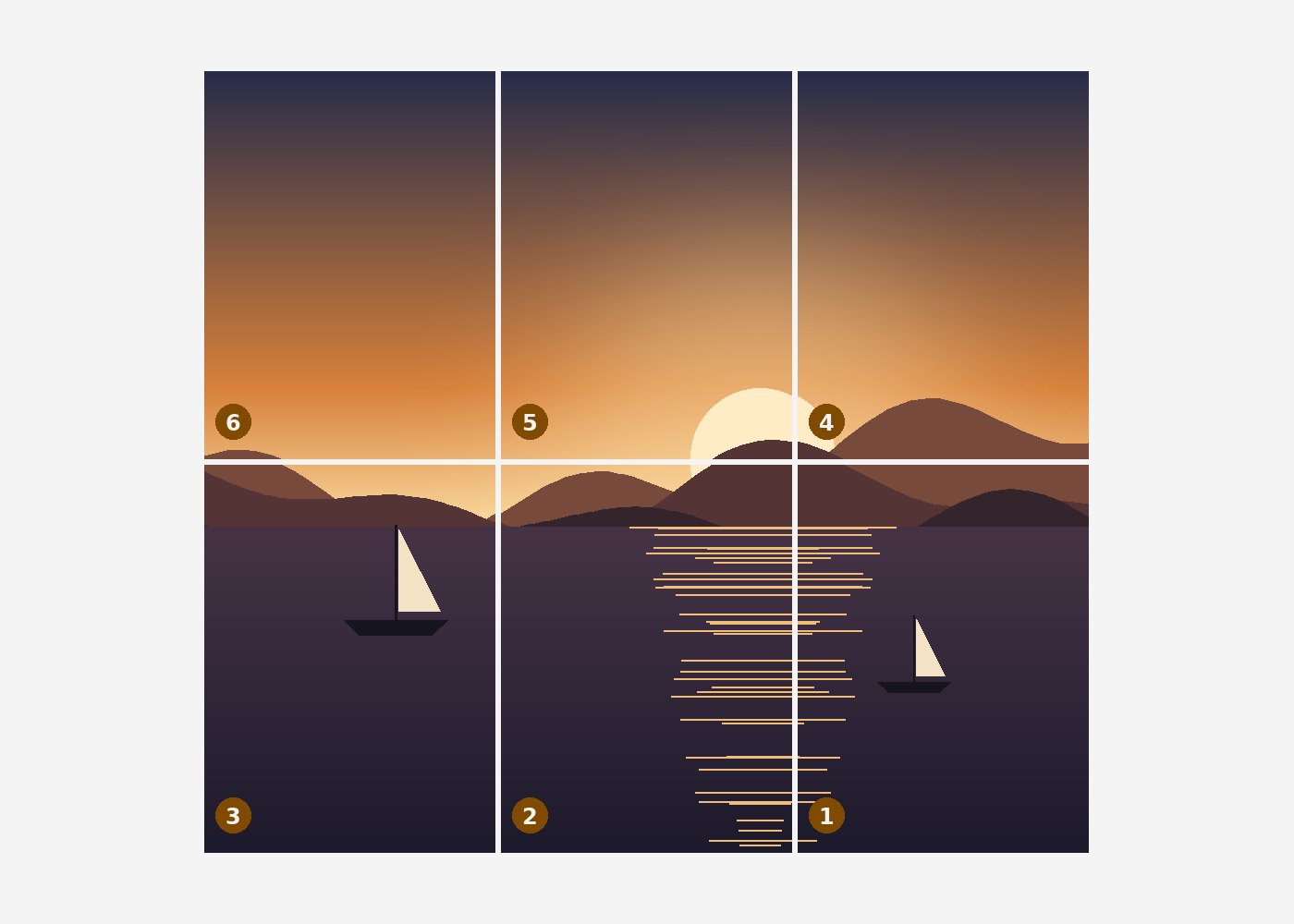
This site does one thing: it takes a single picture and returns several picture files. The count is the product. Everything on it exists to make that division exact and to tell you what it cost before you commit to it.
The test this site is held to
One file in, more than one file out. If a feature does not produce more files than it consumed, it belongs somewhere else, and the discipline is worth more than the feature would be. Joining pictures back together, choosing a crop, growing a canvas, hitting a target file size, stamping a mark on each tile — all real jobs, none of them this one.
The result is a tool with a narrow surface and a deep one. There is no mode switcher hiding four unrelated products, and the parts that are here — remainder distribution, the framing decision, the gutter preview, the naming pattern, the order the files go out in — are the parts that decide whether a split is usable.
How it is built
The whole thing is a static site with no server behind it. The picture you open is decoded by the browser into this page’s memory, divided there with a 2D canvas, encoded there, and written to your downloads folder as an archive. There is no upload step to fail, no queue to wait in and no account to make.
- Geometry is arithmetic, not estimation: boundaries are cumulative offsets and the tiles reassemble to the exact source rectangle.
- The preview runs on a copy no larger than 2560 pixels; the export re-runs the same plan against the full-resolution decode, so nothing changes between what you approved and what you save.
- Tile encoding moves to a Web Worker wherever the browser offers OffscreenCanvas.convertToBlob, so the 144 encodes of a twelve-by-twelve grid do not freeze the page; where it is missing — Safari before 16.4 — the same encode runs on the main thread and a large grid will stutter.
- HEIC is read by a WebAssembly build of libheif — roughly 2 MB of chunk, near 700 KB over the wire — fetched the first time a HEIC arrives and never on page load.
What is not here yet
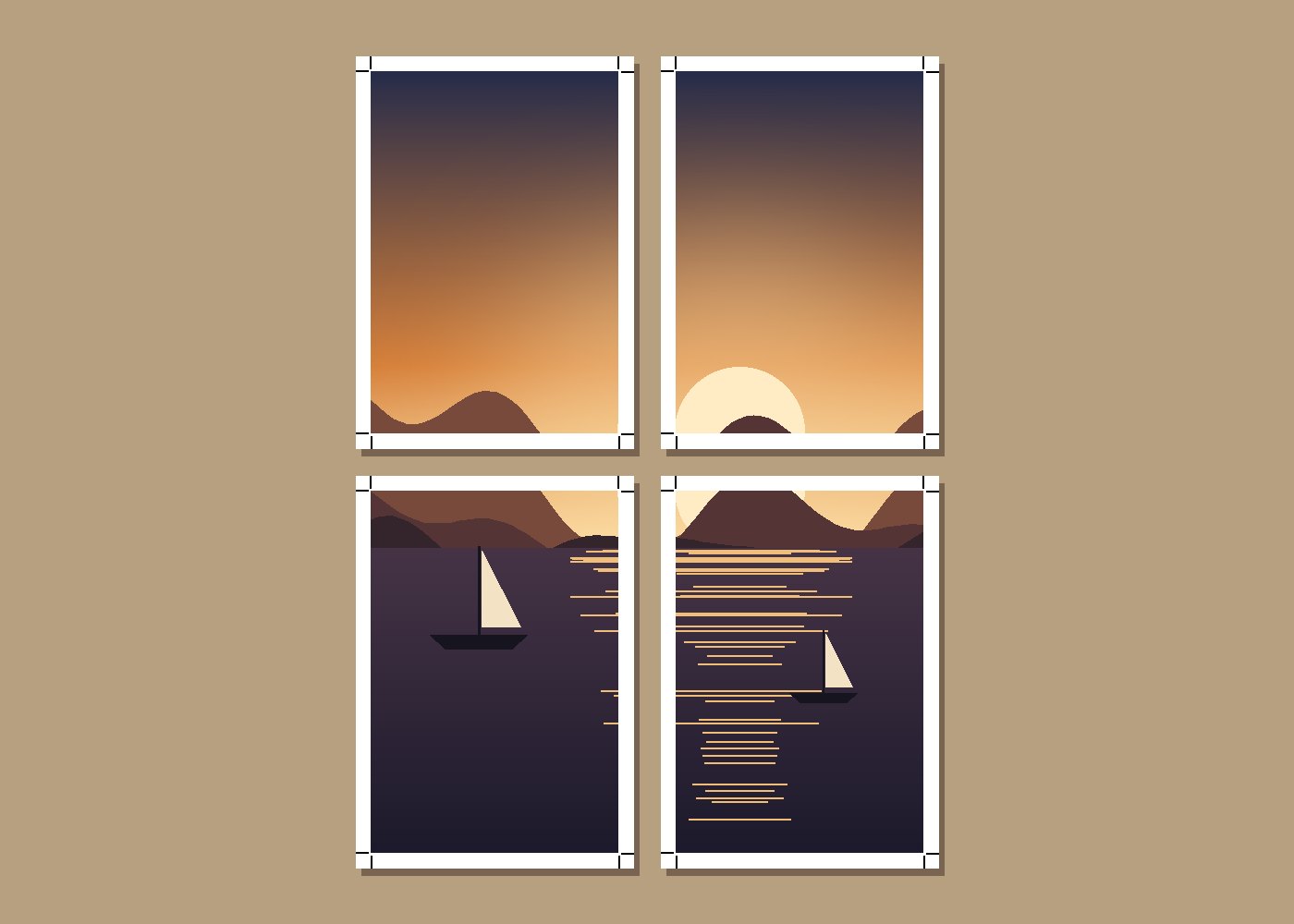
Carousel slides and poster sheets are built: the poster mode works in millimetres from a finished size, prints the effective DPI rather than promising one, and writes trim marks and glue lines into the margin of each sheet. After any export a reassembly check decodes the written files and compares them with the picture. Puzzle pieces with interlocking tabs are not built, a multi-page PDF is not built, and neither is any subject detection — a cut that lands on a face is still yours to see on the preview.